

Lyme Disease is a bacterial infection carried by ticks that is on the increase throughout the country. Awareness and prompt action are your best ways of protecting yourself from this potentially debilitating disease.
- History – Lyme disease was diagnosed as a separate condition for the first time in 1975 in Old Lyme, Connecticut
- Bacterial infection – Lyme disease is an infectious disease caused by the Borrelia bacterium which is spread by ticks. Not all ticks carry the bacteria.
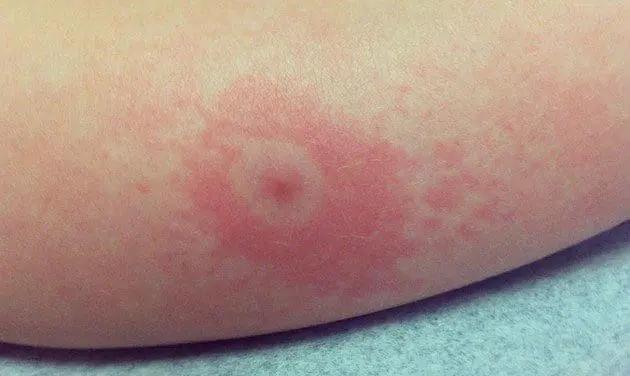
- Bullseye rash – The most common sign of infection is an expanding red rash, known as erythema migrans, that appears at the site of the tick bite about a week after it occurred. The rash is typically neither itchy nor painful. Not all infected people get the rash. Symptoms can occur anywhere from 3 to 30 days after the bite
- Time factors – The chances you might get Lyme disease from a tick bite depend how long the tick was attached to you. If the tick was attached for less than 24 hours, it is less likely you will be infected so early detection and removal is important.
- Symptoms – Early symptoms of Lyme disease may include fever, headache and tiredness – a bit like flue symptoms. If untreated, symptoms may develop and include loss of the ability to move one or both sides of the face, joint pains or severe headaches with neck stiffness. Later symptoms include neurological disorders.
- Prevention includes efforts to prevent tick bites such as by wearing clothing to cover the arms and legs, using insect repellents, carrying out tick checks after rides and keeping your pets clear of ticks. Ticks drop off after feeding and can then attach to you.
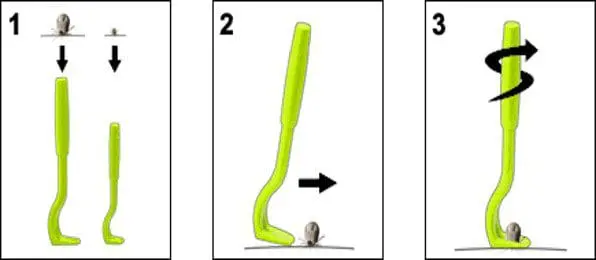
- Tick removal – Ticks can be removed using tweezers, tick tweezers or a tick card. Do not try to burn, drown or poison a tick. It will only make them ‘dig in’ further into your body.
- Medical testing – Doctors diagnose it based on symptoms and a history of tick exposure. There is a blood test for Lyme disease but the accuracy of the test depends on the timescale when you got infected.
- Treatment – Antibiotics are used to treat early stage Lyme infection will clear up to 90% of cases.
- Frequency – Lyme disease is the most common disease spread by ticks. It is estimated to affect 65,000 people a year in Europe each year.
Read more detail about Tick Removal and Understanding Lyme Disease in our blog here.
FAQs:
Why are there more ticks around now?
Ticks can live in a wide range of habitats and were once mainly found in mountains and moorlands. With a combination of changes to our climate, increased number of people in the countryside, more wildlife in urban areas have all led to an increase in the ticks geographical range. Ticks can be killed off in a harsh winter but these are less frequent nowadays and therefore many of them live to breed throughout the year. There is also some evidence that in the UK and Ireland that tick numbers increase significantly in spring and early summer, drop off a bit in mid to late summer and increase again into the autumn.
Which is the best tick removal tool?
There are several ways to remove a tick. The best tool is the one you feel most confident using – and the one that helps you actually remove the whole tick safely and successfully. Other tools such as ‘tick cards’ and ‘tick tweezers’ are available but most people find the twisters easier to use.
Have you found a tick and successfully removed it?
Great! – Now look for more and be vigilant for signs of infection. It’s a good idea to have a ‘tick buddy’ to check you over as ticks can be anywhere else on your body, clothing or pets.
Useful links about Lyme Disease and ticks:
- Discount on tick repellents and Lyme Disease test kits via our website shop
- Health Protection Scotland: Ticks and Lyme Disease in Scotland that includes infographic sheets and posters that you can put up in your yard or stables;
- Lyme Disease UK website is run by healthcare advocates campaigning for more awareness and research into Lyme Disease;
- Lyme Disease Action is a campaigning and awareness raising charity. There’s lots of information and resources on their website;
- NHS video showing how to remove ticks with different tools;
- Forestry and Land Scotland – a series of videos from their ‘Ticked Off’ campaign.
Get confident – get trained!
We cover Lyme Disease and other environmental hazards on our range of first aid courses. Our systematic approach to teaching first aid helps your learning and understanding of many illnesses and injuries. Practicing first aid techniques reinforces your learning too. Find our more about our full range of First Aid Courses here.
Every client on our courses receives a FREE Digital First Aid Manual relevant to the course they come on. You can also view and buy our manuals in our online shop. In addition, we have our own YouTube channel with over 40 practical first aid videos.
Find out more about Lyme disease by attending one of our first aid courses or take a look at the Tick Alert website. To find out which first aid course is best for you check out our specific equestrian first aid webpage.
We have also produced an equestrian specific Accident Book for horse riding establishments. You can view and buy it here.

Medi-K and First Aid Training Co-operative have come together to run specialist equestrian specific first aid courses. For more information about our first aid courses please contact us.