

Medical terms are often daunting but they’re also often used in first aid and in clinical settings. You may hear some of these when an ambulance crew arrive, at the doctors or from a casualty when they’re relating their own illness or condition. Sometimes they appear on casualty monitoring cards.
Some medical terms have a similar prefix (first part of the word) or suffix (ending) because they are often based on latin or greek, the foundation languages of medicine. This also means they pop up a lot in medicine so once you learn to recognise the word, its beginning or ending, you can understand its meaning in that context.
Here’s our 30 most commonly used medical terms that might help further your understanding of medical terms.
1. Acute = a condition that appears quickly but is usually short term.
2. “-algia“ = pain, e.g. myalgia (muscle pain) or neuralgia (nerve pain).
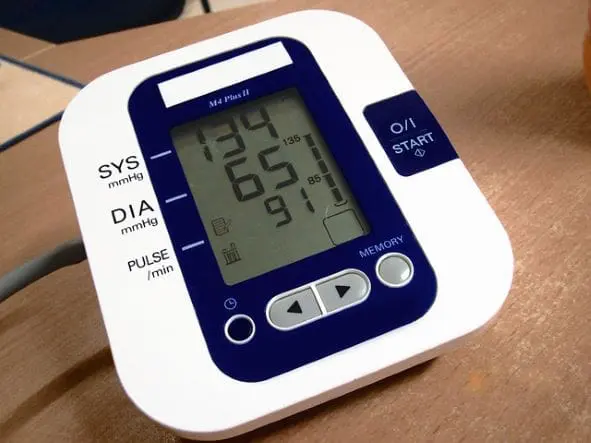
3. BP = Blood pressure. The force of circulating blood on the walls of the arteries. Blood pressure is taken using two measurements: systolic (measured when the heart beats, when blood pressure is at its highest) and diastolic (measured between heart beats, when blood pressure is at its lowest).
4. BLS = Basic Life Support. A term used to describe life saving techniques, mainly CPR and the clearing/maintaining of an open airway.
5. Chronic = a recurring or persistent condition, usually more than 3 months.
6. Contusion = a bruise, where the smallest blood vessels, called capillaries, have been ruptured.
7. Critical = when vital signs are unstable and not within normal limits. Vital signs include colour, temperature, breathing, pulse and alertness.
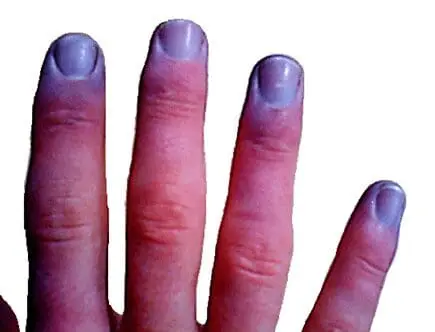
8. Cyanosis = blue skin or lips due to circulation of de-oxygenated blood.
9. “-edema“ = swelling caused by fluid trapped inside tissues. E.g. ‘Pulmonary edema’ where excess fluid collects in the lungs, making breathing difficult.
10. “-emia” = present in the blood e.g. hypoglycemia (low sugar in the blood); septicemia (sepsis in the blood)
11. EMS = Emergency Medical Services
12. Fibrillation = rapid and irregular contractions of the muscle fibres of the heart resulting in a lack of synchronisation between heartbeat and pulse. A de-fibrillator aims to correct this by ‘rebooting’ the heart.
13. Fracture = damaged bone from small partial cracks to complete breaks and can occur in any bone.
14. Haematoma = Like a bruise but much larger and deeper. They swell because of the fluid that builds up in the area. The skin is dark red or black and blue. the area is painful and tender to touch.
15. “Hyper- “ = higher than normal as in hypertension (high blood pressure) or hyperthermia (high temperature).
16. “Hypo– “ = lower than normal as in hypothermia (low temperature) or hypoglycemic (low blood sugar).
17. Ischemia = Characterised by a lack of blood flow to an organ or part of the body. E.g. TIA , a Transient Ischaemic Attack or minor stroke is a temporary loss of blood flow to an area in the brain.
18. “-ism” = a condition of e.g. hyperthyroidism is a higher than normal thyroid level. Thyroid is a type of hormone.
19. “-itis“ = inflammation e.g. hepatitis is inflammation of the liver, appendicitis is the inflammation of the appendix.
20. “NEWS” = National Early Warning Score, a system used by ambulance crew and others for assessing acute illness, signs of deterioration and actions to prevent worsening.
21. Obs = short for ‘Observations’, regular checks of Vital Signs – colour, temperature, breathing, pulse and alertness level.
22. “-oma“ = a swelling or a tumor, e.g. melanoma is a swelling of skin cells.
23. “-osis“ = a condition or disease progress e.g. listeriosis or prognosis.
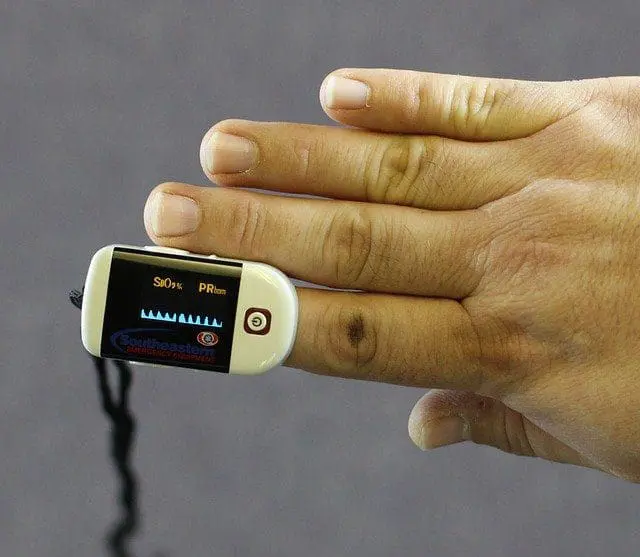
24. Pulse = measure of a pulsating artery as it crosses a bony area. A ‘pulse oximeter’ is a device that fits on the finger and measures pulse and oxygen saturation in blood.
25. ROSC = Return of Spontaneous Circulation. A return of some breathing from a casualty who has been resuscitated using CPR.
26. RR = Respiratory rate , the rate of breathing per minute. Normal adults rates are 12-18 per minute, children 25 per minute (varies with age) and infants 30+ per minute.
27. “-rrhea” = a discharge or flow as in diarrhoea
28. Trauma = physical injuries of sudden onset and severity which require immediate medical attention.
29. Triage = prioritisation of casualty care based on illness/injury and severity. Professionals use a rapid assessment and colour coded system in the field called 10 second triage.
30. Zoonosis = a disease or infection that can jump between non-human and human. Can be bacterial, viral or parasitic. e.g. Leptospirosis, Lyme disease or rabies. Or coronavirus!
…and now on to the acronyms!…..
We don’t use a lot of these medical words in first aid courses but they are useful to know. We do, however, use a lot of acronyms which hopefully you’ll remember from your first aid course as they are universally used.
If you search ‘acronyms’ in the blog search tool, there are lots that come up.
Remembering all of this can be daunting but keeping your first aid refreshed is important. Have a look at our blog on retaining your first aid skills and knowledge.
Get confident – get trained!
We cover acronyms and medical terminologies on our range of first aid courses. Our systematic approach to teaching first aid helps your learning and understanding of many illnesses and injuries. Practicing first aid techniques reinforces your learning too. Find our more about our full range of First Aid Courses here.
Every client on our courses receives a FREE Digital First Aid Manual relevant to the course they come on. You can also view and buy our manuals in our online shop. In addition, we have our own YouTube channel with over 40 practical first aid videos.