Getting the help, you need in a medical emergency is easy. Just dial 999. But wait a minute. Does every incident require an ambulance? With longer waiting times in the UK, you might need to consider a different course of action.
When should I call for an ambulance?
The standard instructors answer on First Aid courses is often, ‘it depends’ and it does. It depends upon the injury or illness. Some situations are time critical and require medical support as quickly as possible. Anything you suspect to be cardiac, brain- or spine-related you must call 999. You will be prioritised as an emergency and an ambulance will be arranged.
Life-threatening emergencies
You should call 999 in a medical emergency, when someone is seriously ill or injured and their life is at risk. These can include:
- Loss of consciousness
- Cardiac arrest
- Heart attack
- Stroke
- An acute confused state
- Chest pains
- Breathing difficulties
- Severe bleeding that cannot be stopped
- Severe allergic reactions
- Severe burns or scalds
- Major trauma, such as a road traffic accident or fall from a height
Ambulance or self-transport?
If you aren’t sure, you can always ring 111 and get advice on whether you should attempt self-transport or stay where you are and wait for an ambulance. When advised to self-transport, you ideally need two people to go with your casualty. The First Aider should sit in the back of the vehicle with the casualty, where physically possible. Their only job is to monitor the casualty. The driver’s only role is drive within the letter of the law. If you break the law, the casualty’s condition is not an excuse for bad driving.
What are the alternatives to A&E?
Does it need to be A&E? Can the injury be treated in a minor injury clinic, pharmacy or your GP?
If it is not a life-threatening emergency, please consider other options before calling 999. These include:
- Pharmacist
- NHS Inform Phone 111
- Mental Well Being contacts
- Minor injury units or Urgent Treatment Centres (UTCs)
- GP surgeries
A Pharmacist can help you with:
- Coughs and colds
- Sore throat
- Indigestion
- Diarrhoea or constipation
- Aches and pains
- Help if you run out of a repeat prescription
Pharmacies are very well equipped to deal with minor injuries and help with medications. All pharmacies have consulting rooms where you can be seen confidentially. They really have been the unsung heroes during Covid, dealing with a lot of illnesses that you wouldn’t normally consider.
NHS Inform (Phone 111) can help you with:
When your local GP and local pharmacy are closed, and you are too ill to wait. These NHS websites can help you with a range of conditions and have self-help guides on their websites NHS inform England or NHS Inform Scotland or NHS Inform Wales or Northern Ireland
Staff at the 111 centre can also direct you to a Urgent Treatment Centre and they will let them know you are coming.
You can also call 111 to:
- discuss complex medical problems
- discuss worries about a long-term condition
- get end-of-life care, or report a death
- report child protection or vulnerable adult concerns
Mental well-being:
If you’re feeling overwhelmed or need support, call any of the following:
- NHS 24 on 111
- Breathing Space on 0800 83 85 87 (open Monday – Thursday 6pm – 2am; Friday 6pm – Monday 6am
- Samaritans on 116 123 (open 24 hours a day, 365 days a year)
What can Minor Injury Units / Urgent Treatment Centres help with?
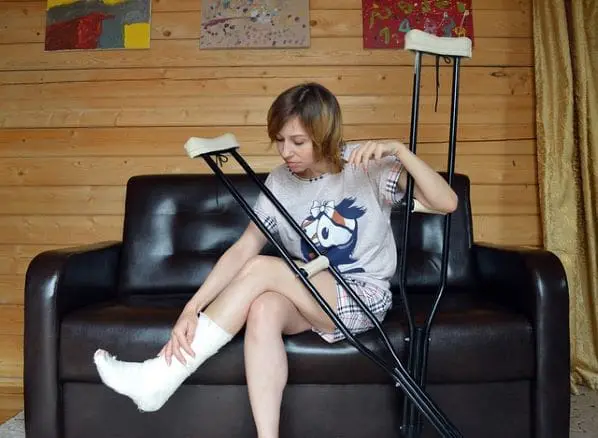
Visit your local minor injuries unit for non-life threatening but painful injuries, including:
- sprains and strains
- suspected broken bones
- injuries, cuts and bruises
- stomach pain, vomiting and diarrhoea
- skin infections and rashes
- high temperature in children and adults
- mental health concerns
You can use Scotland’s Service Directory to find a Minor Injuries Unit near you.
You will see that most Minor Injuries Units are attached to a hospital. This means they have access to hospital equipment such as x-rays and specialist doctors should you need them.
Your GP Surgery:
If you have a medical issue that is causing concern it is important to discuss and receive accurate information. the best way to do this is with a medical professional, as searching online may not always give you an accurate diagnosis and may cause unnecessary stress. Speaking to a GP will allow you to make an informed decision on how to proceed.
Most GP surgeries will do phone consultations and some do video consultations. They may give you a prescription, refer you to a UTC or ask you to come in to see them. Never delay in asking those questions as conditions are far easier to investigate, diagnose and treat in their early stages. Don’t avoid calling them because you think they are too busy or your symptoms or concerns appear minor.
Managing emergencies at work:
Think about your workplace policies and procedures as well. As part of your risk assessment and emergency plans, it might be useful to have a look on the NHS website for details of pharmacies, walk in / minor injury units as well as A&E. That way when you recommend someone attends you aren’t hunting for the information, it’s already done and easy to find.
Forward planning your business information is an essential skill for all good managers. We like the FISA guide No 802 which can be downloaded as an example. Although it’s for an outdoor business, it has all the requirements of a good emergency plan including all the contact details for your business as well as emergency services.
Get confident – get trained!
To prepare for the worst why not consider taking a first aid course so you can manage an incident if one occurs. To find out which first aid course is best for you check out our full range of First Aid courses.
Everyone on our courses receives a FREE digital first aid manual. We have a range of manuals relevant to the courses we teach – Outdoor, Equestrian, First Aid at Work, Paediatric and Sports. They are a great resource that you can download onto your phone or other device and have all that first aid knowledge at your fingertips. You can view them and buy them for less than £5 here.