
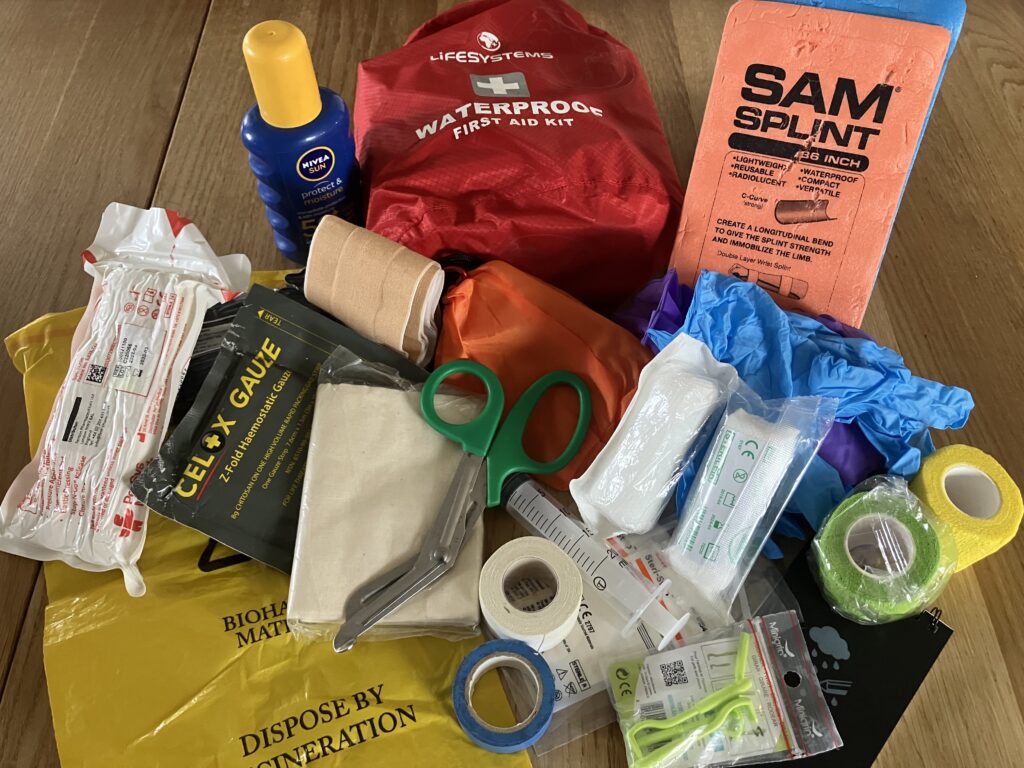
There’s always lots of questions about first aid kits on our courses – some legal, some practical and some related to hygiene. We’ve put together this blog to cover the most frequently asked quesitons about first aid kits.
How do you keep your first aid kit clean?
When an accident happens, you don’t want to have to put gloves on just to open a dusty, damp or filthy first aid box! It will not be very reassuring for your casualty either – and what will the contents be like once you open it? Medi-wipes dry out, dressing packs break, things go out of date, tape doesn’t stick and the zippers rusty – none of which will help you be the great first aider you should be!
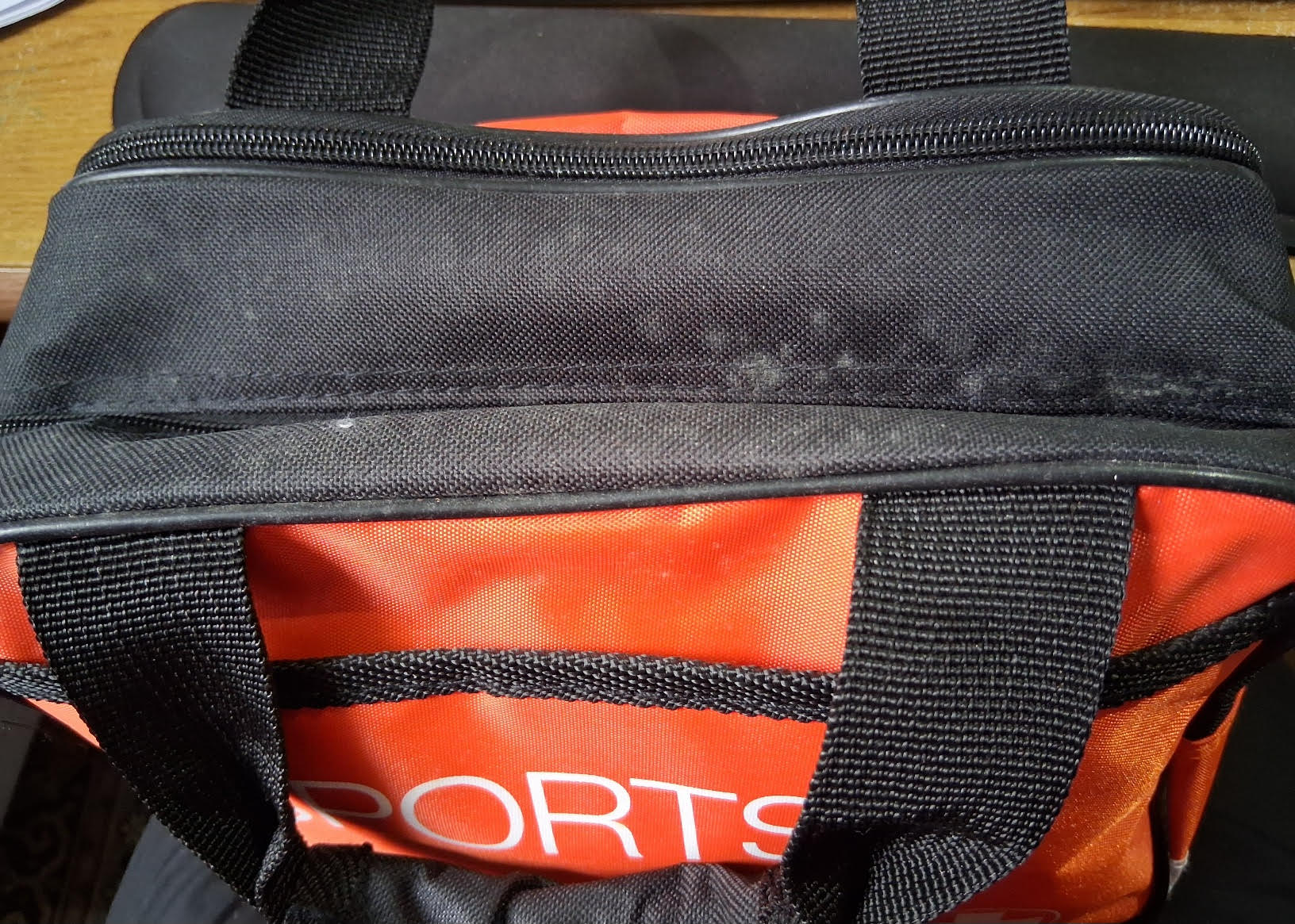
Wash or wipe the container regularly. Some fabric bags can go mouldy so wipe them regularly with a medi-wipe or similar cleaning agent to clean off and prevent the mould. Wipe plastic boxes with a damp soapy cloth then dry afterward with a clean dry cloth. Remove all of the contents and clean the inside of your kit bag as well. This is best done when you’re checking the contents are all there.
Storing your kit in a clean and dry environment is essential to keep it all in good condition and fit for purpose when you need it.
How do you know what should be in your first aid kit?
Every first aid kit should have a contents list. This makes it easier to check the contents regularly. Most kits come with a list and if you’ve added any items, you can add to this list or create your own. The list should include numbers of items as well as the range of items.
After every use of the kit, the appointed person should check the kit and replace any used or missing items and check the kit for any damage, dirt or contamination.
How to avoid contamination when using a first aid kit.
First aid kits often get contaminated with dirt or blood when in use. This usually means the whole kit has to be replaced which can be costly.
Our tip to avoid contamination?– once you have your kit next to your casualty, get the required items out BEFORE you start dealing with the casualty, otherwise you might find yourself going back into the kit for more items with bloody or dirty gloves. Regularly check the kit for worn, damaged or dirty items.
Remember, the first item you should see when you open a first aid kit is the gloves.
What’s the environmental impact of first aid kits?
There’s a lot of plastic in a shiny new first aid kit – and a lot of bloody or dirty kit after it’s used! There are suppliers such as Steroplast that provide eco friendly first aid kits in recycled plastic boxes that have items wrapped in paper rather than plastic. Our trainers love these kits and they fit in well with our environmental policies and ethos.
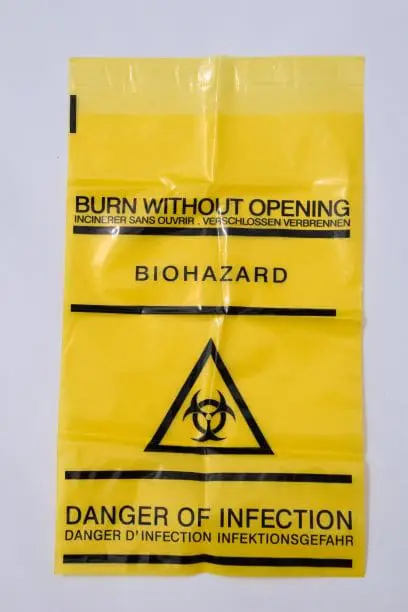
Dealing with waste – Having some hazardous waste bags in the kit helps with organised disposal. You can hand these into your friendly GP practice, chemist or hospital for disposal – or double bag them and put them your domestic waste.
What does the law say about first aid kits?
The Health & Safety Executive (HSE), who regulate First Aid at Work, puts the onus onto the employer. There is a British Standard BS 8599 for first aid kits and this should be your first check when buying one. It is not a regulatory requirement under the Health and Safety (First-Aid) Regulations 1981 to purchase kits that comply with this standard. Instead the contents of a first aid box is dependent on an employers First Aid Needs Assessment.
What is a First Aid Needs Assessment?
The contents of your first aid kit should be based on your First Aid Needs Assessment. You as a business manager (either self-employed, with staff or volunteeers) are required to identify your needs in terms of first aid cover required for your business activities. This will influence the number of first aiders you will need, and the type of first aid course they should be doing and therefore the type of first aid kits you should have.
You can download our First Aid Needs Assessment guide which will help to determine the what your likely hazards and risks are, and therefore what you might need to have in your first aid box. The results of the needs assessment are dependent on the degree of hazard, additional factors that could influence your overall first-aid provision, and the number of employees in your workplace.
Who’s responsible for keeping a first aid kit topped up?
In a workplace, you should have an “appointed person” that monitors, checks and orders first aid kits and top up supplies. Your contents sheet with help keep an eye on what’s there – and what’s gone missing.
Having a separate checklist is also good practice. This would include items, numbers and use by dates plus space for a signature and date of the last time the kit was checked.
The most common things that disappear from a kit are plasters and the scissors, with tape coming a close third. These are often removed for purposes other than first aid. Make sure all first aiders – and other staff who might have access to the kit – know to contact the responsible person when anything is used – or noticed as missing from the kit.
How many first aid kits should you have?
In a workplace, the number of first aid kits is determined by the number of staff, the size of the property and the risk of your activities. Vehicles should also have appropriate first aid kits.
In your own life, you can have a first aid kit in the house, the garage, the car and in your rucksack if you do outdoor activities. Each kit contents may vary depending on the risks in the venue or activity, just like in a workplace.
What should you have in your first aid kit?
For a more specific look at first aid kit contents, have a look at our detailed blog here.
What’s the best first aid container – a bag or box?
The standard first aid kit is green with a white cross on it. For outdoor use, it is red with a white cross on it. Boxes and bags vary in quality but the first question you should ask is “where might I be using this kit?”
If you work in an outdoor setting, a waterproof kit is essential. These are usually red flexible bags that have a roll top seal or sealed zip to keep the contents dry.
In an indoor setting, a green bag or box may still need to keep out moisture and dust depending on your setting.
First aid kits should be sited where they are visible and at an accessible location and height. That means mounting them on a wall, visible on a shelf but not hidden out of site. If they are kept in a cupboard, a sign on the door of the cupboard should alert people to the first aid kit inside.
Where is the best place to buy First Aid Kits and top up contents?
The quality first aid equipment varies greatly and it’s worth spending money of good kit. Cheaper kits have minimal glue in their plasters, a smaller range of bandages and sometimes sewing scissors instead of medical scissors. You really do get what you pay for – and you don’t really want to be regretting that when you go to use the kit.
Our regular suppliers are Steroplast, MedTree, MediSave and FirstAid.co.uk. As with all suppliers, check the delivery rates and other conditions for your postcode area. Some suppliers give you rewards for purchases and regular notices of sales and new equipment lines.
How do I keep up to date with changes in first aid regulations?
The HSE and other government agencies send out urgent notices as well as regular guidance on first aid and related topics. We receive these and regularly share them. Keep an eye on our Facebook pages or website blogs for alerts we share.
To be sure you get these alerts, sign up to our monthly newsletter – via the link below and at the bottom of our website pages.
For example, there was an alert in February, 2026 about contaminated medi-wipes asking us all to check our kits.
Why do first aid items go out of date?
Many first aid item have a limited shelf life due to their sterile nature, sometimes fragile (or cheap) packaging and rough handling by first aiders. Mostly, they become less sterile due to time or damage or any glues become less sticky. It’s best to do a thorough regular check of your kit for damage as well as use by date.
First aid supplies that go out of date include:
- Plasters and bandages – adhesives can fail and packaging cand be damaged meaning they are no longer sterile;
- Sterile dressings – packaging should be sealed to remain sterile;
- Medi-wipes – dry out making them useless;
- Eye wash – have expiry dates beyond which they may no longer be sterile;
- CPR masks – plastic or rubber seals can break reducing your safety when using them.
What should you do with out of date or dirty first aid supplies?
Bin it, recycle it or upcycle it – or share with us if you’re coming on a course. We’re happy to take out-of-date bandages or other kit items to use on courses.
Get crafty! – You can also use out of date bandages for kids or craft activities. Those bandages have many other uses!
Get playful! – One of our trainers, Duncan, uses them to introduce kids to first aid concepts. You can read his blog here.
Get First Aid confident – get trained!
Practicing first aid techniques reinforces your learning and doing this under the instruction of a skilled trainer is crucial. Knowing what to do and how to do it effectively and competently is the key to being a confident first aider. Our systematic approach to teaching first aid helps your learning and understanding of many illnesses and injuries. Find out more about our full range of First Aid Courses here.
Everyone on our courses receives a FREE Digital First Aid Manual relevant to the course they come on. You can also view and buy our manuals in our online shop.